Blog
2023 · 2 min read
Ostheopathy Craniosacral Therapy
· updated July 4, 2026
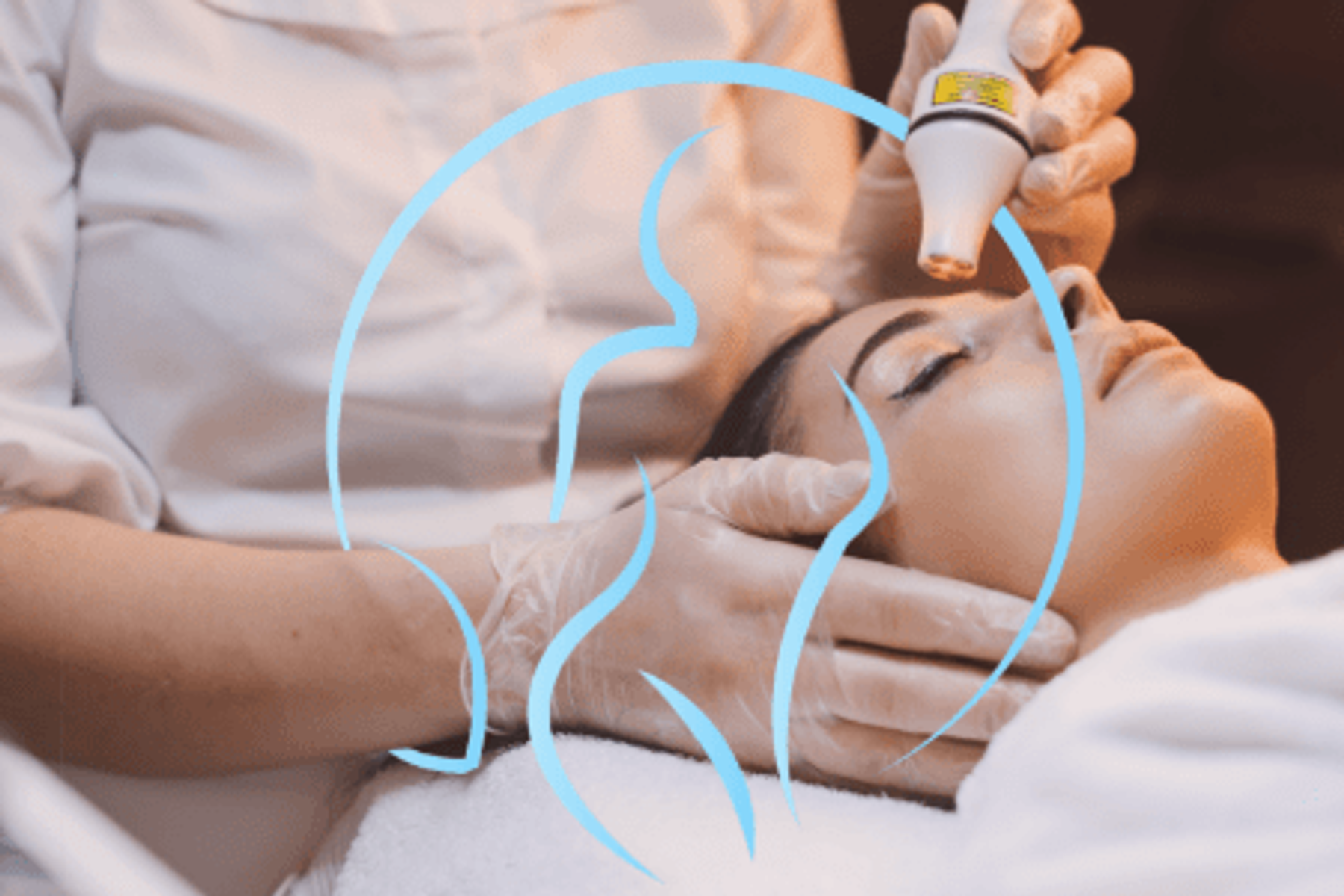
Two complementary therapies that emphasise the connection between the body's structure and function are osteopathy and craniosacral therapy. Both therapies work to promote healing and restore balance, but their methods and approaches vary. Osteopathy is a holistic form of medicine that places a focus on the musculoskeletal system's significance to general health and well-being. Osteopaths think that by addressing musculoskeletal system abnormalities, the body's inherent capacity to repair itself can be strengthened. Stretching, massage, and joint manipulation are just a few of the manual techniques that osteopaths utilise to enhance the function of the body's tissues and organs. A mild, non-invasive form of bodywork that focuses on the craniosacral system is called craniosacral therapy. This system consists of the fluid, membranes, and bones that surround and shield the spinal cord and brain.
Light touch is used by craniosacral therapists to reduce stress and enhance this system's performance, which can enhance general health and wellness. Although osteopathy and craniosacral therapy are separate treatments, they are frequently combined to address a variety of health problems. For instance, osteopaths may incorporate craniosacral therapy into a plan of care for patients suffering from migraines, back pain, or other musculoskeletal issues. Similar to how craniosacral therapists may suggest patients seek additional care from an osteopath if they believe it would be helpful.
Treatment of stress and anxiety is one area where osteopathic medicine and craniosacral therapy may be particularly beneficial. Both treatments seek to encourage relaxation and lessen tension, which can help lower stress levels and enhance general wellbeing. Additionally, by enhancing the body's systems, these treatments may help to promote resilience and improve the body's capacity to deal with stress. While osteopathy and craniosacral therapy can be helpful for a variety of health issues, it is important to remember that they are not a replacement for medical care. Before starting any new therapy if you have a medical problem, it is crucial to speak with your healthcare practitioner.
Results vary from person to person and are not guaranteed. Nothing here is medical advice — book a consultation and we will look at your case.
Keep reading
Nefertiti Lift: The Non-Surgical Neck & Jawline Rejuvenation Treatment
Restore Definition, Prevent Jowls, and Achieve a More Youthful Profile As we age, many people notice changes…
Read
Lower Face Wrinkle relaxer: Jawline Slimming, Facial Contouring and a More Balanced Profile
Wrinkle relaxer is often associated with forehead lines and crow’s feet, but it can also be used in the lower…
Read
Upper Face Wrinkle relaxer: Forehead Lines, Frown Lines, Crow’s Feet and Natural Results
Wrinkle relaxer is one of the most popular non-surgical aesthetic treatments for softening expression lines…
Read